


What is an EICR certificate?
An EICR Certificate is what you get after an EICR test. An EICR (Electrical Installation Condition Report) is a formal check-up on a property’s electrical system to make sure everything is safe. The main goal is simply to confirm that everything meets current safety standards and isn’t posing a risk of fire or electric shocks.
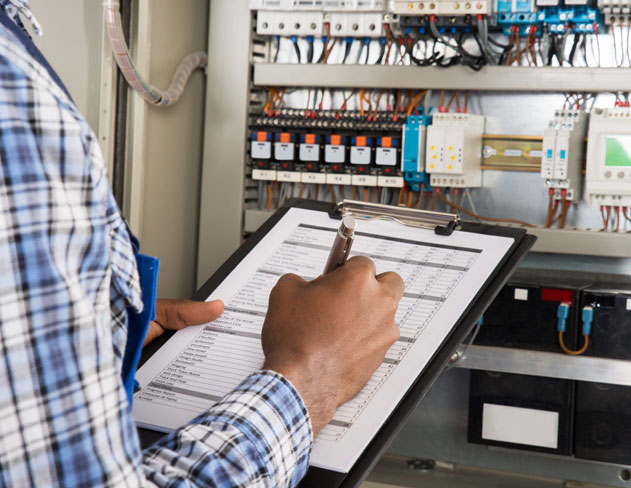
To get one, a qualified electrician inspects your wiring, sockets, fuse board, and other electrical installations to look for any damage, deterioration, or dangerous conditions. Once they are done, they hand over a report based on what they found.
If everything is safe, the result is “satisfactory,” and you have a clean bill of health. If they find problems, the Electrical Installation Condition Report is marked “unsatisfactory” and will detail exactly what needs fixing.
Note: You might hear an EICR called by other names – some people refer to it as a hardwire test, periodic inspection and testing, or simply an electrical safety certificate.
What Does an EICR Test Do?
During an EICR inspection, a qualified electrician will test every single cable in your property. Every socket, every light switch, every lighting point gets checked to make sure it’s electrically safe. To give you an idea, they will typically look at things like:
- Incoming supply and meter – checking that the main power supply into your home and the metering equipment are in good condition.
- Earthing and bonding – ensuring that all the necessary metal parts of the building (like water or gas pipes, if metal) are properly connected to earth with the right size cables.
- Fuse box (consumer unit) – opening up your fuse box to inspect its condition. They make sure the right type of circuit breakers or fuses are in place and that nothing unsafe has been added or tampered with. They’ll check that all the connections are tight, the correct safety devices (like RCDs, which trip to prevent shocks) are present and working, and that there are no gaps or holes in the enclosure where someone could accidentally touch live parts.
- Wiring and circuits – examining the wiring throughout the house (as much as possible) to see that it was installed correctly and hasn’t deteriorated. They verify the wires are the correct type and size for their circuits and look for signs of damage or overheating. This includes testing the insulation on the cables to ensure it hasn’t broken down over time.
- Sockets, switches, and fixtures – inspecting a sample of plug sockets, light switches, and light fittings. The electrician checks that these aren’t cracked or damaged, that the wiring connections to them are secure, and that there’s no evidence of overheating or burn marks that could indicate a problem.
In addition to visual inspections, the electrician will perform electrical tests with specialized equipment. These tests check things like whether the circuits have continuous earthing, that there’s no unexpected electricity leakage, and that safety devices trip off when they’re supposed to.
How Long Does an EICR Take?
For a standard home, you should set aside about 1 to 4 hours. The time really comes down to the size of your system. Most houses have a fuse board with around eight circuits, and electricians typically budget about half an hour for each one. If you have a larger property with more circuits or extra fuse boards, it will naturally take a bit longer.
How Often Do I Need an EICR Certificate?
The retest period depends on your property type.
- Homeowners: The general rule is to get it done every 10 years.
- Landlords: For rental properties, the law requires a new certificate at least every 5 years or whenever a new tenant moves in.
- Commercial: These usually need testing every 5 years, though high-risk environments like factories might need checks more often.
These are the standard intervals, assuming everything is in good order. In some cases, an electrician might recommend a shorter interval, for example, every 3–5 years if the installation is older or there’s reason to believe it might not be in the best shape.
If you have no idea when the last one was done, go take a look at your fuse box or consumer unit. There is usually a little sticker or label on it showing the date of the last inspection and when the next one is due. If that label is missing or the date has passed, that is a pretty good sign it is time to book an EICR.
What Happens if an EICR Fails?
The Electrical Installation Condition Report uses codes to show the severity of any problems found:
- C1 (Code 1): Danger present. This needs immediate attention. The electrician should fix it straight away if possible. Examples include damaged sockets exposing live wires or cables that pose an immediate shock risk.
- C2 (Code 2): This means there’s a problem that isn’t an immediate hazard but could become dangerous if not addressed. For example, something like a missing earth connection on a metal light switch could earn a C2.
- C3 (Code 3): A C3 means the electrician found something that isn’t dangerous, but could be improved for better safety or to meet the latest standards. For instance, they might note older-style consumer unit fuses or missing labels that are not up to current code.
- FI (Further Investigation) means the inspector found something that needs closer examination. Perhaps tests suggest a problem, but the inspection couldn’t pinpoint the exact cause.
When an EICR fails (unsatisfactory), the bottom line is you’ll need to get the identified issues fixed before the installation can be certified as safe. The electrician will give you the Electrical Installation Condition Report detailing all the electrical faults.
You can then hire them or any other qualified electrical engineer to carry out the remedial work. Once the fixes are done, you will get either a follow-up report or a certificate proving the installation is now safe.
For landlords, note that you have a legal duty to correct dangerous issues promptly. Under the electrical safety regulations, a landlord must get C1 and C2 issues repaired within 28 days and provide tenants with proof of the fixes.
Can You Sell a House With a Failed EICR?
Yes, there is no law stopping you from selling a property just because the EICR came back with issues, or even if you don’t have one at all.
While you can sell a house with a failed EICR, the practical approach is to be proactive about it. You might choose to fix the electrical issues before listing the property, so that you can present a clean bill of health to buyers. This can speed up the sale and give buyers peace of mind. Alternatively, you can sell with the failed Electrical Installation Condition Report, but be transparent; buyers will appreciate the honesty, but will likely use it to negotiate the price down so they can handle the repairs themselves.
How Much Does an EICR Cost?
Prices vary based on several factors:
- Property Size: A one-bed flat starts around £80-£120, while a five-bed house might cost £160-£200 or more. We typically charge £79 + VAT for studio flats, while larger family homes (3–6 bedrooms) generally sit between £110 and £140 + VAT
- Property Age: Older properties with outdated and faulty wiring take longer to test and cost more.
- Location: London and the South East typically charge 15-20% more than other UK regions.
- Number of Circuits For Commercial EICR testing, pricing is usually calculated per circuit because business premises vary so much in complexity. We typically charge £169 + VAT for the first 10 circuits, with a small fee of £10 for each additional circuit.
The EICR price covers the inspection and report. Any repairs needed afterward will cost extra.
Why Bother? Is an Electrical Installation Condition Report Legally Required?
For homeowners selling a property, it is not a legal requirement, though having one makes potential buyers feel much more confident. For landlords, however, it is mandatory. Under the Electrical Safety Standards in the Private Rented Sector (England) Regulations 2020, you must have a valid EICR before letting a property and renew it every 5 years. Failing to comply can lead to hefty fines of up to £30,000.
Need an EICR for your Domestic or Commercial property? Contact Hexo Electrical Testing for professional, thorough electrical safety inspections from qualified electricians.
